
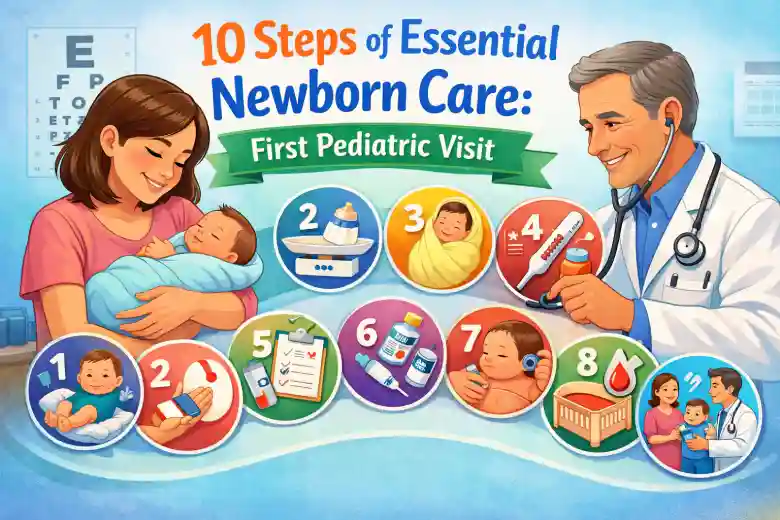
Bringing your baby home from a Spokane hospital is a joyous moment, but the first few nights can be filled with uncertainty as you try to figure out if every cry or hiccup is normal. You might find yourself staring at your sleeping infant, wondering if they are too warm, if they are eating enough, or if that yellowish tint to their skin is a cause for concern. The transition from the hospital’s constant monitoring to your own living room is a big shift, and it is natural to feel a bit overmatched. This guide is built to act as your bridge, explaining the professional medical standards we follow to keep your baby safe. At Mt. Spokane Pediatrics, our goal is to turn that early anxiety into confidence by providing a clear look at what we check during those vital first visits and why these steps are the gold standard for newborn health in the Inland Northwest.
The Clinical “10 Steps” of Essential Newborn Care
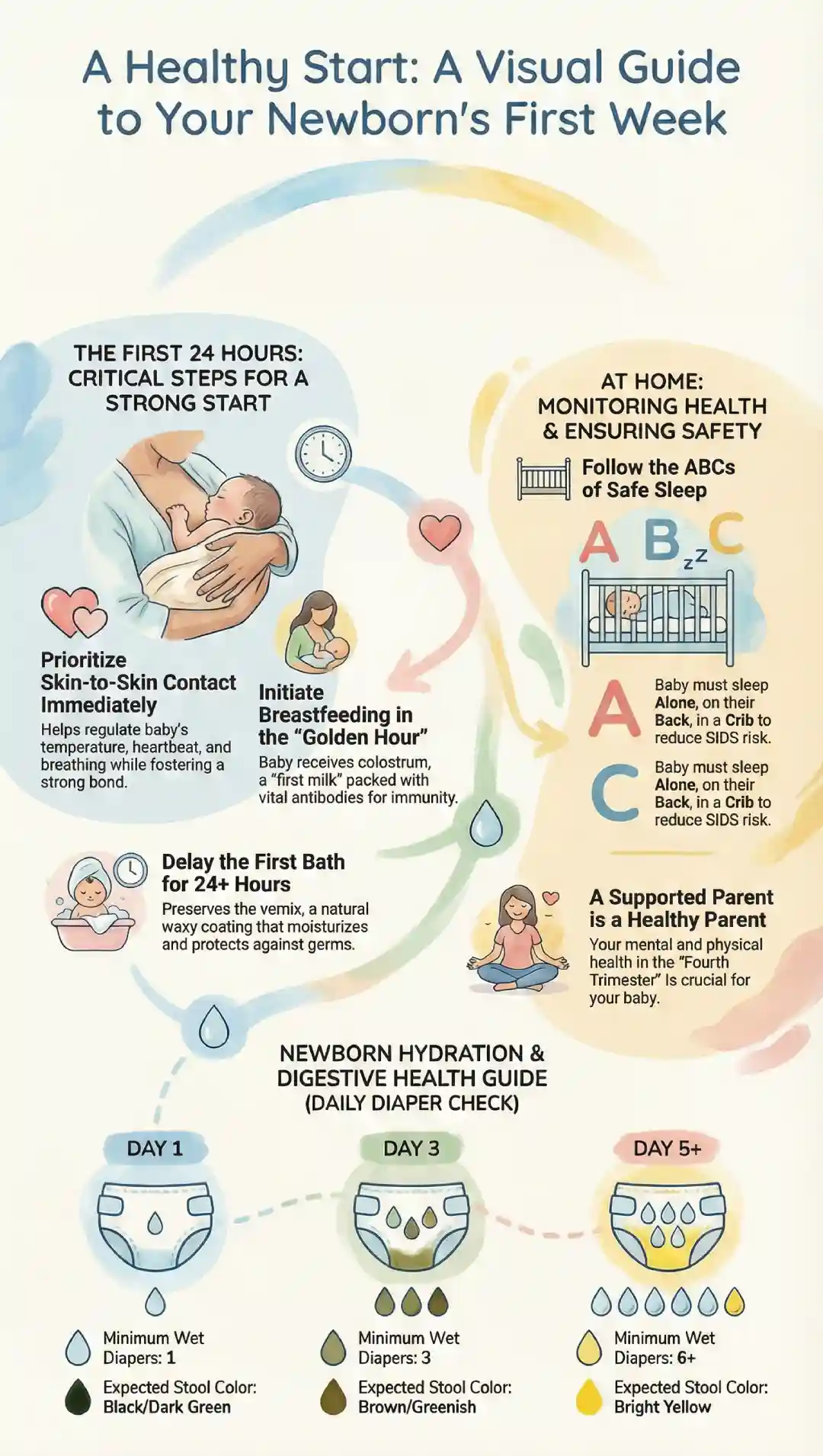
The World Health Organization has identified some specific actions that significantly improve a baby’s chance of a healthy start. While some of these happen in the delivery room, several continue during your first week at home. These steps focus on “thermal regulation,” which is a fancy way of saying keeping the baby’s body temperature steady and preventing infections. Steps like delaying the first bath for at least 24 hours help protect the vernix, that white, waxy coating your baby is born with, which acts as a natural shield against germs and a moisturizer for their brand-new skin. We also emphasize the “Golden Hour” of early breastfeeding, which provides the baby with colostrum, a liquid gold packed with antibodies that act as your child’s very first natural vaccine.
Step 1: Immediate and Thorough Drying After Birth
As soon as your baby is born, one of the first things pediatricians do is thoroughly dry them off. This might seem like a simple step, but it serves two important purposes: it helps your baby maintain a stable body temperature and stimulates their breathing. Babies are born covered in a protective coating called vernix, which helps preserve body heat. By drying your baby off immediately, the risk of hypothermia is reduced, which is essential for their overall well-being.
Pediatricians and healthcare providers understand that newborns are at risk of temperature fluctuations, especially when they move from the warmth of the womb to the cooler environment outside. This initial drying process is vital for keeping your baby’s body temperature steady in the first moments after birth.
Step 2: Skin-to-Skin Contact for Thermal Regulation and Bonding
Skin-to-skin contact is one of the most beneficial practices in the first hours after birth. This step not only helps regulate your baby’s temperature but also strengthens the bond between you and your newborn. Studies have shown that skin-to-skin contact stabilizes the baby’s heartbeat, improves their oxygen levels, and increases the chances of successful breastfeeding.
 In Spokane, pediatricians and local healthcare facilities emphasize skin-to-skin contact as a key step in newborn care. For new parents, it’s an opportunity to bond emotionally and physically with their baby, which lays the foundation for a secure attachment in the early weeks of life. It’s also shown to enhance your baby’s comfort and reduce crying.
Step 3: Umbilical Cord Care to Prevent Infection
After birth, your baby’s umbilical cord stump will be carefully cut and clamped. It’s important to keep the stump clean and dry to avoid infection. Pediatricians will check the umbilical cord stump during the first visit to ensure it’s healing properly. They’ll give parents instructions on how to clean and care for the stump.
In Spokane, where winters can get chilly, it’s essential to make sure that the area remains dry and covered to avoid moisture exposure, which could lead to infection. Parents should refrain from submerging their baby in water until the stump has completely fallen off and healed. Our office offers free prenatal consultations for families expecting a new baby
Step 4: Early and Exclusive Breastfeeding Within the First Hour
Breastfeeding is one of the most important steps in newborn care, and pediatricians recommend starting as soon as possible after birth. In Spokane, many local pediatricians advocate for exclusive breastfeeding, which provides your baby with the necessary nutrients and antibodies found in colostrum, the first milk that is rich in nutrients.
Breastfeeding within the first hour after birth is critical because it supports your baby’s immune system and helps with bonding. Pediatricians will guide parents on proper latch techniques and will monitor for early signs of breastfeeding challenges, helping to resolve any issues before they become more serious.
Step 5: Delaying the First Bath for Optimal Health
You might have heard that it’s best to delay your newborn’s first bath until after their first pediatric visit. This is because the vernix (the protective coating on your baby’s skin) acts as a barrier that protects the skin and helps regulate body temperature. Pediatricians recommend waiting at least 24 hours before giving your baby a bath to ensure they stay warm and healthy.
Many local pediatricians in Spokane will also educate parents about the importance of a sponge bath until the umbilical cord stump falls off, ensuring that water doesn’t interfere with the healing process.
Step 6: Immunization and Vitamin K Administration
One of the most important aspects of newborn care is immunization, which is typically done within the first few days of your baby’s life. Pediatricians will administer the Hepatitis B vaccine, and they may also give a Vitamin K shot to prevent bleeding disorders. The Vitamin K injection helps ensure that your baby’s blood clotting system works properly, especially in the first few weeks of life.
While many parents in Spokane might be familiar with vaccines like those for Hepatitis B, the Vitamin K shot often comes as a surprise. Pediatricians emphasize that this early vaccine and Vitamin K administration are essential to building your baby’s immune system and preventing life-threatening conditions. In addition to these, pediatricians will also discuss your baby’s upcoming vaccination schedule and any other vaccines that might be required in the coming months.
Step 7: Monitoring Breathing and Vital Signs
Throughout the first pediatric visit, pediatricians will carefully monitor your newborn’s breathing and vital signs. These checks are done to ensure that your baby’s respiratory system is functioning properly and to catch any signs of complications early on. For example, pediatricians will check if your baby is breathing at the right rate, and they will listen for any irregularities in their breathing pattern.
In Spokane, with the colder climate, pediatricians may also monitor how well your baby adapts to external temperature changes, particularly when moving between environments. Babies are especially sensitive to temperature, and a check-up ensures they aren’t too warm or too cold. Early detection of breathing irregularities, such as signs of apnea or difficulty breathing, allows pediatricians to intervene quickly, which is critical for your baby’s health.
Step 8: Ensuring Warmth Through Safe Sleeping and Dressing
Keeping your baby warm is a top priority, but it’s also essential to do so safely. Pediatricians emphasize the importance of safe sleeping practices to reduce the risk of Sudden Infant Death Syndrome (SIDS). This includes placing your baby on their back to sleep, using a firm mattress, and avoiding soft bedding like pillows or blankets in the crib.
In addition to safe sleep, pediatricians in Spokane will offer advice on how to dress your newborn appropriately. This may include using sleep sacks or layering clothing so that your baby isn’t too hot or too cold. Local pediatricians understand the unique challenges of the Spokane climate, and will advise parents on how to balance warmth with safety, ensuring a comfortable sleeping environment for your baby.
Step 9: Hygiene and Handwashing for Infection Prevention
Newborns are highly susceptible to infections, so hygiene plays a crucial role in newborn care. Pediatricians will guide parents on proper handwashing techniques, especially before handling the baby. Regular handwashing by parents and caregivers reduces the risk of spreading germs, which is essential for a newborn who has a developing immune system.
Diapering is another area where hygiene is paramount. Pediatricians will advise parents on how to clean the baby properly during diaper changes, and they may recommend specific products that are gentle on your newborn’s delicate skin. In Spokane, where winters can bring dry air, pediatricians often suggest moisturizing lotions to help prevent skin irritation.
Step 10: Parental Education and Emotional Support
Becoming a new parent can be overwhelming, and having a pediatrician who provides emotional support and education is invaluable. Pediatricians not only care for the baby’s physical health but also play a key role in supporting parents through the transition into parenthood. They will take time during the first visit to answer any questions about feeding, sleep routines, or general care.
In Spokane, pediatricians often offer resources for local parenting groups or counseling services to help new parents manage the emotional challenges that can come with caring for a newborn. Understanding that parenthood can be difficult, pediatricians will offer guidance on building confidence, handling common challenges, and providing reassurance for parents navigating this new journey.
Pediatrician’s First Visit Checklist for Newborns
During your baby’s first pediatric visit, it’s important to be prepared. Here’s a checklist of what to bring to make the visit as smooth as possible:
- Baby’s health records (if available)
- Hospital discharge papers
- Questions for the pediatrician (about feeding, sleep, etc.)
- List of any concerns or observations you may have about your baby’s health
This checklist will help you stay organized and ensure you don’t forget anything crucial during the visit.
Tracking Baby’s Growth and Milestones
After the first visit, it’s important to keep track of your baby’s growth and milestones. Pediatricians will monitor weight gain, head circumference, and length during each checkup. These measurements help ensure that your baby is growing at a healthy rate.
In Spokane, where healthcare providers are known for their comprehensive pediatric care, tracking your baby’s progress is done regularly. Pediatricians will also assess your baby’s motor skills, vision, and hearing to make sure they’re reaching their developmental milestones. They’ll discuss with you any signs to look out for in the coming months, helping you stay proactive about your baby’s health.
Mental and Emotional Support for New Parents
The transition to parenthood can be filled with emotions, and pediatricians understand that this period can be both joyful and challenging. They offer emotional support and provide information about local parenting resources, like support groups or therapy for new parents. Pediatricians in Spokane often go the extra mile by checking in with parents about their mental well-being, helping to reduce the chances of postpartum depression.
Many pediatricians emphasize that taking care of your mental health is just as important as taking care of your baby’s physical health. They might recommend strategies for relaxation, self-care, and even reach out to local community resources to help you feel supported.
Feeding Troubleshooting: Breast and Bottle Support
Feeding a newborn is a full-time job, often happening 8 to 12 times in a 24-hour period. Whether you are breastfeeding, using formula, or doing a mix of both, the first pediatric visit is the perfect time to troubleshoot. We check the baby’s mouth for “tongue-tie” or other issues that might make latching difficult. For breastfeeding moms in Spokane, we discuss the importance of Vitamin D drops, as breast milk doesn’t always provide enough for our northern climate. If you are using formula, we review how to safely mix and store bottles. We want to make sure the baby is swallowing well and that you feel supported in whichever feeding path you have chosen.
Monitoring “Output”: What Diapers Tell Us
While it may seem like a messy topic, your baby’s diapers are a direct window into their health. During the first week, we look for a specific pattern of “output” that tells us the baby is getting enough hydration. By day five, your baby should have at least six heavy, wet diapers and several yellow, seedy stools every day. If the diapers are dry or if you see “brick dust” (orange-tinted crystals), it can be a sign that the baby needs more fluids. We review these diaper milestones with you so you can monitor your baby’s hydration levels at home between appointments, giving you peace of mind that their internal systems are working correctly. f you notice sudden changes like yellowing skin or breathing concerns, we offer pediatric acute care appointments to address newborn health scares quickly and effectively
| Day of Life | Expected Wet Diapers | Expected Stool Color |
| Day 1 | 1 | Black/Dark Green (Meconium) |
| Day 2 | 2 | Dark Green/Brown |
| Day 3 | 3 | Brown/Greenish |
| Day 4 | 4 | Green/Yellow |
| Day 5+ | 6 or more | Bright Yellow/Seedy |
Safe Sleep and Environmental Health: The ABCs of Care
Creating a safe space for your baby to sleep is one of the most vital steps you can take to prevent Sudden Infant Death Syndrome (SIDS). At Mt. Spokane Pediatrics, we follow the 2026 AAP guidelines, which emphasize the “ABCs” of sleep: the baby should be Alone, on their Back, and in a Crib or bassinet. The sleep surface should be firm and flat, with no pillows, blankets, bumper pads, or stuffed animals, as these items can block a baby’s airway. In the Spokane area, where we often use heavy quilts during the winter, we recommend using a wearable blanket or “sleep sack” instead. We also discuss environmental health, such as keeping your home smoke-free and maintaining a comfortable room temperature to prevent your little one from overheating.
Maternal Wellness: The “Fourth Trimester” Connection
Your health as a parent is inseparable from your baby’s health. The “Fourth Trimester” is a period of intense hormonal shifts and physical recovery, and we make it a priority to check in on you during your baby’s visit. It is very common to experience “baby blues” in the first week, but if you are feeling overwhelmed, hopeless, or unable to bond with your baby, you might be experiencing postpartum depression or anxiety. We provide screenings for these conditions and can connect you with local Spokane resources, such as lactation consultants and support groups. Remember, taking care of yourself is a fundamental part of essential newborn care; a supported parent is better equipped to provide a healthy environment for a growing child.
Frequently Asked Questions
How do I prepare for the first pediatric visit?
To make the most of your time, bring your hospital discharge paperwork, a list of any questions that came up during the first few nights, and a feeding log if you have been keeping one. Also, remember to bring an extra diaper and a change of clothes, newborns have a way of needing them at the most unexpected times!
What are the “Danger Signs” in a newborn?
You should contact our office or seek emergency care immediately if your baby has a rectal temperature over 100.4°F, is extremely lethargic and hard to wake, shows a significant yellowing of the skin, or is having difficulty breathing (look for “retractions” or skin pulling in around the ribs).
Why is my baby’s skin yellow?
This is usually jaundice. It is caused by an excess of bilirubin. While common, it requires medical monitoring to ensure levels don’t get high enough to cause issues. Frequent feeding helps the baby pass the bilirubin through their stool.
Is it normal for my baby to lose weight after birth?
Yes, it is expected. Most babies lose about 7% to 10% of their birth weight in the first few days. We monitor this closely at Mt. Spokane Pediatrics to ensure they start gaining it back once your milk supply is established or formula feeding is consistent.
Conclusion: Starting the Journey Together in Spokane
The 10 steps of essential newborn care provide a roadmap, but you don’t have to navigate it alone. From the moment you leave the hospital to your baby’s first steps, your pediatrician is your partner in ensuring every milestone is met with health and safety. By focusing on thermal care, nutrition, screenings, and a safe home environment, you are giving your child the best possible start in life. At Mt. Spokane Pediatrics, we are honored to serve Spokane families during this incredible time. Whether you are visiting us in North Spokane or the Valley, our team is here to provide the expert care, local resources, and reassurance you need as you begin this new chapter of parenthood.