
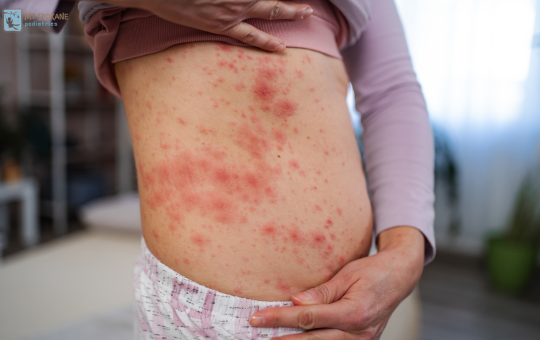
Baby rashes worry almost every parent, especially in the first year. This guide walks you through what is usually normal, what is not, and when to call your pediatrician at Mt. Spokane Pediatrics in Spokane, WA.
Baby Rashes 101: Why Spokane Parents See So Many Spots
Newborn and baby skin is delicate, so rashes are extremely common. Many rashes are harmless and clear up with simple home care. However, some rashes are early warning signs of infection, allergy, or other medical problems and should be seen by a pediatrician.
As a Spokane parent, you also deal with quick weather changes and dry seasons that can make sensitive skin even more reactive. That means you may see more dryness, irritation, and heat‑related rashes at different times of the year. Mt. Spokane Pediatrics partners with families from birth through young adulthood, so you do not have to guess whether a rash is “normal” or needs an urgent visit.
What a “Normal” Baby Rash Usually Looks Like
Everyday newborn rashes
Many newborns develop temporary rashes in the first few weeks of life. These rashes often look dramatic but usually are not dangerous. They tend to resolve on their own without strong medications.
Common “normal” rashes include tiny red spots or pustules on the face or body, mild redness in skin folds, and fine bumps after a warm day. Often, your baby still feeds, sleeps, and plays normally, even though the skin looks irritated. When your baby seems comfortable and the rash slowly improves, it is usually safe to watch and use gentle care at home.
Baby acne
Baby acne shows up as small red or white bumps, usually on the cheeks, forehead, or chin. It often appears around two to four weeks of age and can look similar to teen acne. The bumps can come and go for several weeks.
This type of rash does not usually bother your baby. You do not need strong cleansers or acne products, which can actually make things worse. Soft cloths, lukewarm water, and fragrance‑free products are usually enough until it fades.
Heat rash (prickly heat)
Heat rash appears when sweat gets trapped in blocked pores. You may see tiny red or clear bumps on the neck, chest, back, or in skin folds after your baby has been overdressed or the weather turns hot.
Because Spokane can have hot days as well as chilly mornings, overdressing is easy to do. Light layers, breathable fabrics, and keeping your baby out of direct heat often help the rash fade quickly. If the bumps are mild and your baby seems comfortable, home cooling strategies are usually enough.
Diaper Rash and Drool Rash: The Most Common Irritation
Mild diaper rash
Most babies will have diaper rash at some point. It usually shows up as red, irritated skin in the diaper area, especially after diarrhea, infrequent diaper changes, or new wipes. The skin may look slightly puffy but not blistered.
You can often manage mild diaper rash at home. Frequent diaper changes, gentle wipes or warm water, and a thick barrier of zinc oxide or petroleum‑based cream usually help. Allowing a few minutes of diaper‑free time each day also lets the skin breathe and recover.
When diaper rash needs a doctor
Sometimes diaper rash becomes more than a mild irritation. A bright red rash with small “satellite” spots, open sores, or pus can signal a yeast infection or more severe irritation. Rashes that fail to improve after two to three days of good home care deserve a closer look.
If your baby seems very uncomfortable, cries with each diaper change, or has a rash that bleeds or oozes, it is time to call your pediatrician. At Mt. Spokane Pediatrics, your child’s provider can check for yeast, bacterial infection, or other causes and prescribe targeted treatments if needed.
Drool rash around the mouth and chin
Many Spokane parents notice red, chapped skin on their baby’s cheeks, chin, and chest during teething. Constant drooling can break down the skin barrier and cause a drool rash that looks red and sometimes slightly bumpy.
You can gently pat (not rub) drool away, apply a thin layer of protective ointment, and use soft bibs to keep the area dry. Usually, drool rash improves with these small changes. If the rash becomes cracked, crusted, or very painful, schedule a visit to rule out infection or eczema.
Eczema and Dry Skin in Spokane’s Climate
How eczema looks on babies
Eczema, or atopic dermatitis, is a chronic condition that often begins in infancy. It typically appears as dry, rough, or scaly patches on the cheeks, arms, legs, or behind the knees. The skin may look red and feel very itchy.
Because babies cannot scratch gently, they may rub their faces on sheets or clothing. Repeated scratching can break the skin and increase the risk of infection. When itching disrupts sleep, feeding, or play, it is important to talk with your pediatrician.
Triggers Spokane families should know
Eczema often flares with dry air, scented soaps, certain fabrics, and sometimes food or environmental allergies. Spokane’s drier seasons can make these flares more noticeable. Hot baths and harsh detergents also tend to worsen symptoms.
Your pediatrician may suggest fragrance‑free moisturizers, short lukewarm baths, and gentle cleansers as a daily routine. In some cases, prescription creams or referral for allergy evaluation may be needed. Mt. Spokane Pediatrics offers asthma and allergy care, which can be helpful if your child has eczema along with other allergic conditions.
Viral, Allergic, and Infectious Rashes: When Spots Mean More
Viral rashes after a fever or cold
Many childhood viruses cause rashes that appear after a few days of fever, runny nose, or cough. These “viral exanthems” often look like pink or red spots that spread over the trunk and limbs. The rash itself may not be itchy or painful.
Because it is hard to tell which virus is involved just by looking, it is wise to call your pediatrician if your baby has a new rash plus other symptoms. Fever, poor feeding, unusual sleepiness, or breathing changes all warrant medical advice. Your Mt. Spokane Pediatrics provider can help you decide whether your child needs an in‑person visit.
Allergic rashes and hives
Hives look like raised, itchy welts that can move around the body. They often appear suddenly after a new food, medication, or insect bite and may come and go over hours. Mild hives without breathing problems usually can be evaluated with a same‑day call or visit.
If hives occur with swelling of the lips, tongue, or face or with trouble breathing, call emergency services right away. These can be signs of a severe allergic reaction that needs immediate treatment. After any serious allergic episode, your pediatrician can help plan next steps and discuss prevention.
Skin infections that need quick care
Some rashes are caused by bacteria or fungi and may need prescription medicine. Impetigo, ringworm, and infected eczema patches often show crusts, round scaly spots, or oozing areas that do not improve with simple home care. Pain, warmth, or swelling can also signal infection.
In these cases, do not wait week after week to see if things change. A clinic visit allows your pediatrician to examine the rash closely and choose the best treatment, which may include topical or oral medications. Mt. Spokane Pediatrics offers acute appointments for sudden concerns like these rashes.
When to Call Your Pediatrician About a Baby Rash
Same‑day call or urgent visit
It is not always easy to decide when a rash needs medical care. However, there are clear signs that you should call your pediatrician the same day. Reach out promptly if your baby has:
- A rash plus fever or looks unusually sick or uncomfortable.
- A rash that spreads quickly over the body or changes color rapidly.
- Blisters, peeling skin, open sores, or pus‑filled bumps.
- A rash that makes it hard to sleep, feed, or be soothed.
- No improvement after several days of good home care.
The pediatric team at Mt. Spokane Pediatrics listens carefully to your concerns and examines the rash to provide a diagnosis and treatment plan. You never have to feel like you are “bothering” the office with questions about your baby’s skin.
Emergency signs: Call 911 or go to the ER
Some rashes signal a serious medical emergency. Do not wait for an office appointment if your baby has a rash and any of these symptoms.
- Trouble breathing, wheezing, or gasping.
- Swelling of the face, lips, or tongue.
- Purple or bruise‑like spots that do not fade when pressed.
- Extreme sleepiness, confusion, or a very stiff neck.
- Cold or mottled skin along with the rash.
In these situations, call 911 or go to the nearest emergency department immediately. After emergency care, follow up with Mt. Spokane Pediatrics for ongoing support.
Spokane Parents’ Top Questions About Baby Rashes
Is my baby’s rash serious or normal?
This is the most common question parents ask. Mild rashes without fever that improve over a few days are usually part of normal baby development. Serious rashes tend to come with other symptoms, such as fever, behavior changes, pain, rapid spreading, or purple spots that do not fade.
If you feel unsure, it is always better to ask. A quick call to Mt. Spokane Pediatrics can give you clarity, whether the advice is to watch at home or to schedule an appointment.
When should I call my pediatrician for a rash?
Call your pediatrician if a rash is painful, keeps your child from sleeping or feeding, or has not improved after several days. You should also call if the rash appears soon after a new food or medicine or if it does not change color when pressed.
Parents in Spokane can contact Mt. Spokane Pediatrics during office hours to speak with staff or request a same‑day sick visit. The clinic is open Monday through Friday from 8 a.m. to 5 p.m. at locations in North Spokane and Spokane Valley.
Can teething cause a rash?
Teething itself does not cause body rashes, but the extra drooling can lead to skin irritation around the mouth, chin, and chest. That irritation can look like a rash and may feel rough or chapped.
If you see a widespread rash on the torso, arms, or legs during teething, look for other causes, such as viral infection or eczema. When in doubt, call your pediatrician to make sure nothing else is going on.
How can I prevent baby rashes in Spokane?
You cannot prevent every rash, but you can lower the chances and reduce severity. Gentle daily skin care with fragrance‑free products, regular moisturizing, and sensible layering go a long way.
During Spokane’s dry or cold seasons, a heavier moisturizer may help protect exposed areas. In warmer weather, dress your baby in light, breathable fabrics and avoid overheating in car seats and strollers. Your pediatrician can recommend specific products and routines that fit your child’s skin needs.
How Mt. Spokane Pediatrics Helps With Baby Rashes
Full pediatric care from birth through young adulthood
Mt. Spokane Pediatrics provides comprehensive pediatric care, including wellness visits, acute care for sudden illnesses, asthma and allergy services, and behavioral health support. Because the team follows children over many years, they understand your child’s skin history and can track patterns over time.
That continuity matters when rashes keep returning or when skin symptoms connect with allergies, asthma, or other conditions. A practice that knows your family can offer more personalized guidance and prevention plans.
Same‑day sick visits and rash evaluations
When a new rash appears, you do not want to wait weeks to be seen. Mt. Spokane Pediatrics offers acute appointments for sudden concerns, including rashes that worry you. During a visit, your pediatrician examines the rash, asks about recent illnesses, products, or foods, and decides whether tests or prescriptions are needed.
You can expect evidence‑based recommendations along with practical at‑home steps. The team’s mission is to combine medical expertise with a family‑centered approach, so you feel supported and heard.
Ongoing support for eczema, allergies, and sensitive skin
Some children need long‑term management of eczema, allergies, or asthma. Mt. Spokane Pediatrics offers services specifically for asthma and allergies, which often connect with ongoing skin problems. Regular follow‑ups can adjust treatment plans as your child grows.
Together, you and your pediatrician can create a skin care routine, identify triggers, and plan how to respond quickly to flares. That partnership helps keep rashes under better control and improves day‑to‑day comfort.
Quick Baby Rash Checklist for Spokane Families
Use this simple checklist whenever you see a new rash on your baby.
Probably normal, usually okay to monitor at home:
- Mild redness or small bumps, baby seems comfortable.
- Rash improving over a few days with gentle care.
- No fever, no spreading, no open sores.
Call Mt. Spokane Pediatrics today:
- Rash plus fever, fussiness, or poor feeding.
- Rash spreading quickly or not improving after several days.
- Blisters, peeling skin, pus, or very painful areas.
Call 911 or go to the ER:
- Rash with trouble breathing or wheezing.
- Swelling of face, lips, or tongue.
- Purple or bruise‑like spots that do not fade when pressed, especially with fever or extreme sleepiness.
If you are ever unsure, trust your instincts and reach out. Mt. Spokane Pediatrics, with locations in North Spokane and Spokane Valley, is here to help you navigate baby rashes and every other stage of your child’s health from birth through young adulthood.