
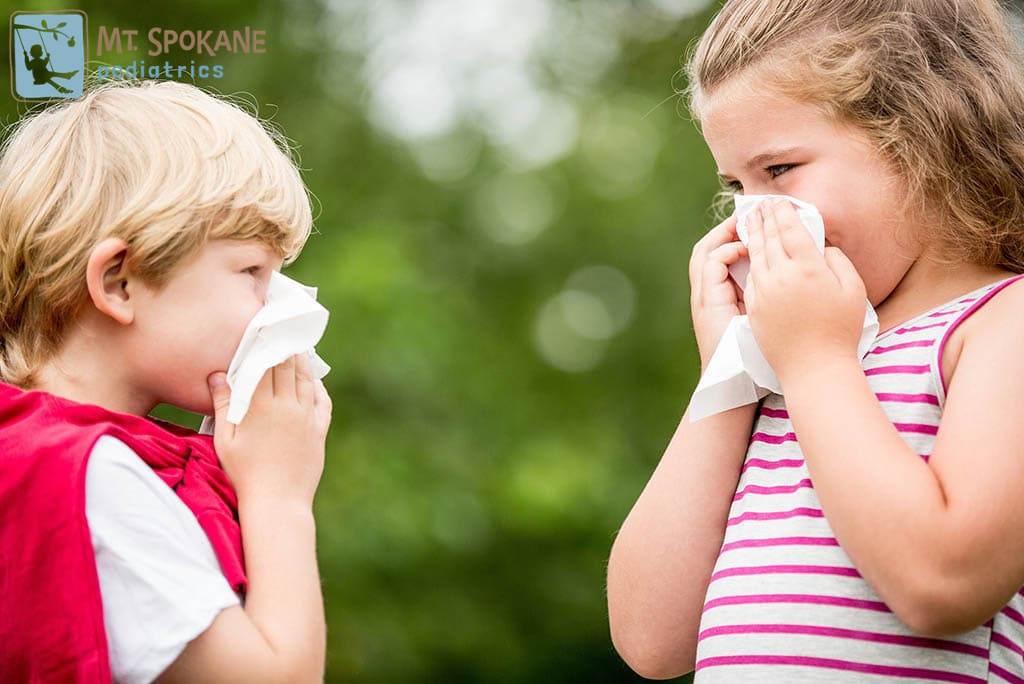
Spokane’s Seasons and Your Child’s “Forever Runny Nose”
In Spokane, many parents feel like their child always has a cough or runny nose, especially when seasons change.
Winters are cold and dry, springs bring pollen, summers are dusty, and late summers or falls can be smoky.
Because of this mix, it gets hard to tell if your child has allergies or just another cold.
That is where a trusted pediatric clinic, like Mt. Spokane Pediatrics, becomes an important partner for your family.
Mt. Spokane Pediatrics cares for children from birth through young adulthood.
The team helps with wellness visits, sick visits, asthma, allergies, and behavioral health, all in one friendly setting.
What Causes Allergies vs. Colds in Spokane Kids?
A cold comes from a virus, which spreads easily in schools, daycare, and crowded indoor spaces during colder months.
Kids touch surfaces, share toys, rub their noses, and then germs move from child to child.
Allergies are different because the immune system overreacts to everyday triggers.
For Spokane kids, common triggers include tree and grass pollen, weeds, dust mites, pet dander, and air irritants like wildfire smoke.
These substances are not infections, but your child’s body treats them like invaders.
Spokane’s four seasons can make symptoms come and go.
In winter, cold viruses circulate more as families stay indoors.
In spring and early summer, pollen levels rise, and kids spend more time outside.
During late summer and fall, smoke and mold can irritate sensitive airways, while back‑to‑school brings new viruses.
Spokane’s “Trigger Calendar”: When Symptoms Flare
In late winter and early spring, parents often notice sniffles that seem to last for weeks.
Sometimes these are repeated colds, but they might be early seasonal allergies.
Late spring and summer bring more outdoor sports, hiking, and park days.
Tree, grass, and weed pollens are active then, so allergy symptoms can show up fast after outdoor play.
By late summer and fall, many Spokane families deal with poor air quality from regional wildfires.
Smoke irritates the nose and lungs, especially in kids with asthma or allergies.
At the same time, the new school year introduces fresh viral colds.
If your child’s symptoms appear around the same time every year, allergies become more likely.
If symptoms show up randomly and resolve within a week or so, a cold is more likely.
How Allergies and Colds Look the Same
Allergies and colds overlap, which is why parents often feel confused.
Both can cause sneezing, runny nose, stuffy nose, and general tiredness.
Children may complain about a “stuffy head” or trouble sleeping at night.
They may cough, especially when they lie down.
Because of this overlap, you need to look at the details to tell them apart.
Signs It Is Probably Allergies
With allergies, nasal mucus is usually clear and watery, not thick or discolored.
Symptoms can last for weeks or even months while your child stays around the trigger.
Kids with allergies often have itchy, watery, or puffy eyes.
They may rub their nose in an upward motion, sometimes called the “allergic salute.”
They might say their nose, throat, or even ears feel itchy.
Most of the time, allergies do not cause a fever or body aches.
Your child may feel annoyed or tired but still wants to play.
In Spokane, allergy symptoms tend to flare:
- After playing in grassy fields or wooded areas.
- On dry, windy days with high pollen counts.
- Around pets, dusty rooms, or smoky outdoor air.
If you see these patterns, allergies are a strong possibility, and a pediatric visit can help confirm that.
Signs It Is Probably a Cold
A cold usually starts with a sore throat or general “blah” feeling.
Within a day or two, a stuffy or runny nose and cough appear.
Early on, mucus may be clear, but it often becomes thicker and yellow or green as the immune system fights the virus.
Kids with colds commonly have low‑grade fever, mild body aches, and less energy.
Most colds last seven to ten days, then slowly fade.
You might notice that symptoms rarely return on a fixed schedule each year.
If your child has several cold‑like illnesses in a season, especially after starting school or daycare, that can still be normal.
However, if those “colds” seem to last many weeks without a break, allergies should be considered.
A Simple Parent Checklist
These quick questions can guide your decision before you call the clinic.
- Does my child have a fever? If yes, a cold or other infection is more likely than allergies.
- Are my child’s eyes itchy or watery? If yes, think allergies.
- How long have symptoms lasted? Days point toward a cold, while weeks suggest allergies.
- What does the mucus look like? Clear and watery usually matches allergies; thick and discolored often fits a cold.
- Do symptoms come back at the same time every year in Spokane? That pattern strongly suggests seasonal allergies.
- Did symptoms start quickly after outdoor play, time with pets, or a smoky day? That timing also points to allergies.
If you feel unsure after asking these questions, Mt. Spokane Pediatrics can help you make sense of your child’s symptoms.
When Allergies and Colds Mix
Some children have both allergies and frequent colds.
Allergies keep the nose and airways inflamed, which can make it easier for viruses to take hold.
Allergy‑related swelling and mucus also increase nose rubbing and face touching.
This habit helps spread germs, especially in classrooms and daycare.
For kids with asthma, unmanaged allergies can trigger cough, wheeze, or chest tightness.
Cold, smoky, or dusty Spokane air can make these symptoms worse.
Because of these links, getting the right diagnosis matters.
Treating allergies well can reduce flare‑ups and may help cut down on some “mystery” respiratory issues.
Home Care for Mild Allergies
You can take several steps at home to ease your child’s allergy symptoms.
On high‑pollen days, keep windows closed and use fans or air conditioning instead of outside air.
Have kids change clothes and wash their face and hands after outdoor play to remove pollen.
A bath and clean pajamas before bed can prevent pollen from staying on bedding.
Saline nasal sprays or rinses help clear allergens from the nose.
Cool compresses on the eyes can soothe itch and swelling.
Never start over‑the‑counter allergy medicine for a child without checking dosing and safety with a pediatric provider.
For many Spokane families, simple steps plus guided medication use provide good relief.
Home Care for Mild Colds
For common colds, comfort care goes a long way.
Encourage fluids, such as water, breast milk, formula, or age‑appropriate drinks, to prevent dehydration.
A cool‑mist humidifier can ease dry Spokane indoor air in winter and soothe irritated noses.
Saline drops and gentle suction help infants and toddlers breathe more easily.
For older kids, saline sprays and nose blowing work well.
Use fever‑reducing medicine only as recommended by your child’s doctor or the product instructions.
Avoid giving cough and cold combinations to young children unless a pediatrician specifically advises it.
Remember, antibiotics do not treat viral colds.
They should only be used when a doctor diagnoses a bacterial infection, such as some ear or sinus infections.
When to Call Mt. Spokane Pediatrics
Some symptoms mean you should contact a pediatrician right away.
Call or seek urgent care if your child has:
- Trouble breathing, fast breathing, or visible pulling in of the ribs.
- Wheezing, chest tightness, or a persistent, barking, or whooping cough.
- High fever that does not improve with treatment or lasts several days.
- Signs of dehydration, such as dry mouth, fewer wet diapers, or very dark urine.
Also, reach out if cold‑like symptoms last longer than two weeks, or keep returning without clear breaks.
These patterns can point to allergies, asthma, or another condition that needs attention.
Mt. Spokane Pediatrics offers same‑day acute appointments for many illnesses, including colds, flu‑like symptoms, and allergy flares.
The goal is to help Spokane families get quick, evidence‑based care when their child is not feeling well.
Allergy Testing and Long‑Term Care
If your child has persistent or severe symptoms, allergy testing may be helpful.
Skin testing can identify which allergens cause reactions, such as certain pollens, pets, or dust.
With this information, your pediatric team can create a tailored plan.
Plans often include trigger avoidance, medicine options, and sometimes referral to a pediatric allergy or pulmonary specialist.
Mt. Spokane Pediatrics provides integrated care for allergies, asthma, and general pediatric needs, so families work with a familiar team.
This continuity supports better monitoring of symptoms through Spokane’s changing seasons.
Why Spokane Families Choose Mt. Spokane Pediatrics
Families from Spokane, North Spokane, Mead, Colbert, and nearby areas rely on local pediatric expertise.
Many appreciate compassionate doctors, a family‑centered approach, and help with securing timely appointments.
The clinic’s mission is to partner with parents, recognizing that you know your child best.
Together, you can decide whether your child’s symptoms are more likely allergies, a cold, or something else.
If your child’s “forever sniffles” worry you, you do not need to figure it out alone.
Mt. Spokane Pediatrics is ready to help Spokane kids breathe easier and feel better in every season.