
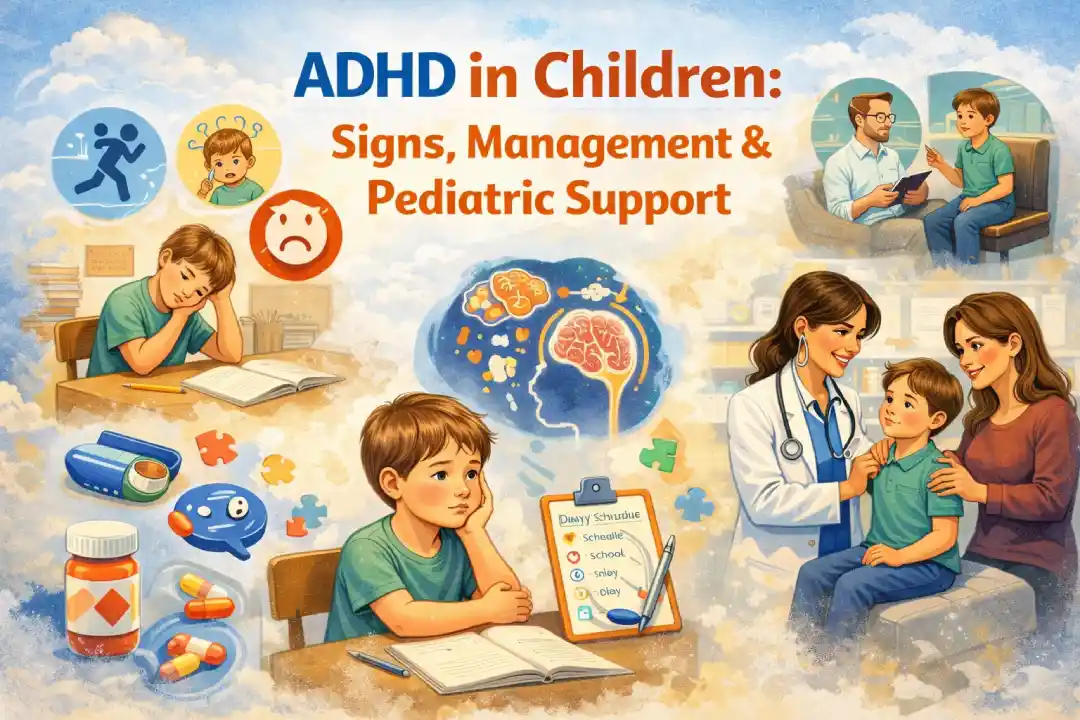
If your child is constantly struggling to stay on task, losing their school supplies, or moving as if they are driven by a motor, you might feel exhausted and unsure of the next step. Many Spokane parents worry that these behaviors are just a phase or a sign of poor discipline, but often, there is a deeper biological reason at play. ADHD in children is a brain-based condition that affects how a child manages their time, emotions, and focus.
At Mt. Spokane Pediatrics, we see this as a hurdle that can be cleared with the right help. Our goal is to move you from a place of daily frustration to a clear, supportive path where your child can thrive in school and at home. By identifying the specific signs early and using local resources here in the Inland Northwest, we can help your child find their strengths and build a successful future.
What is ADHD?
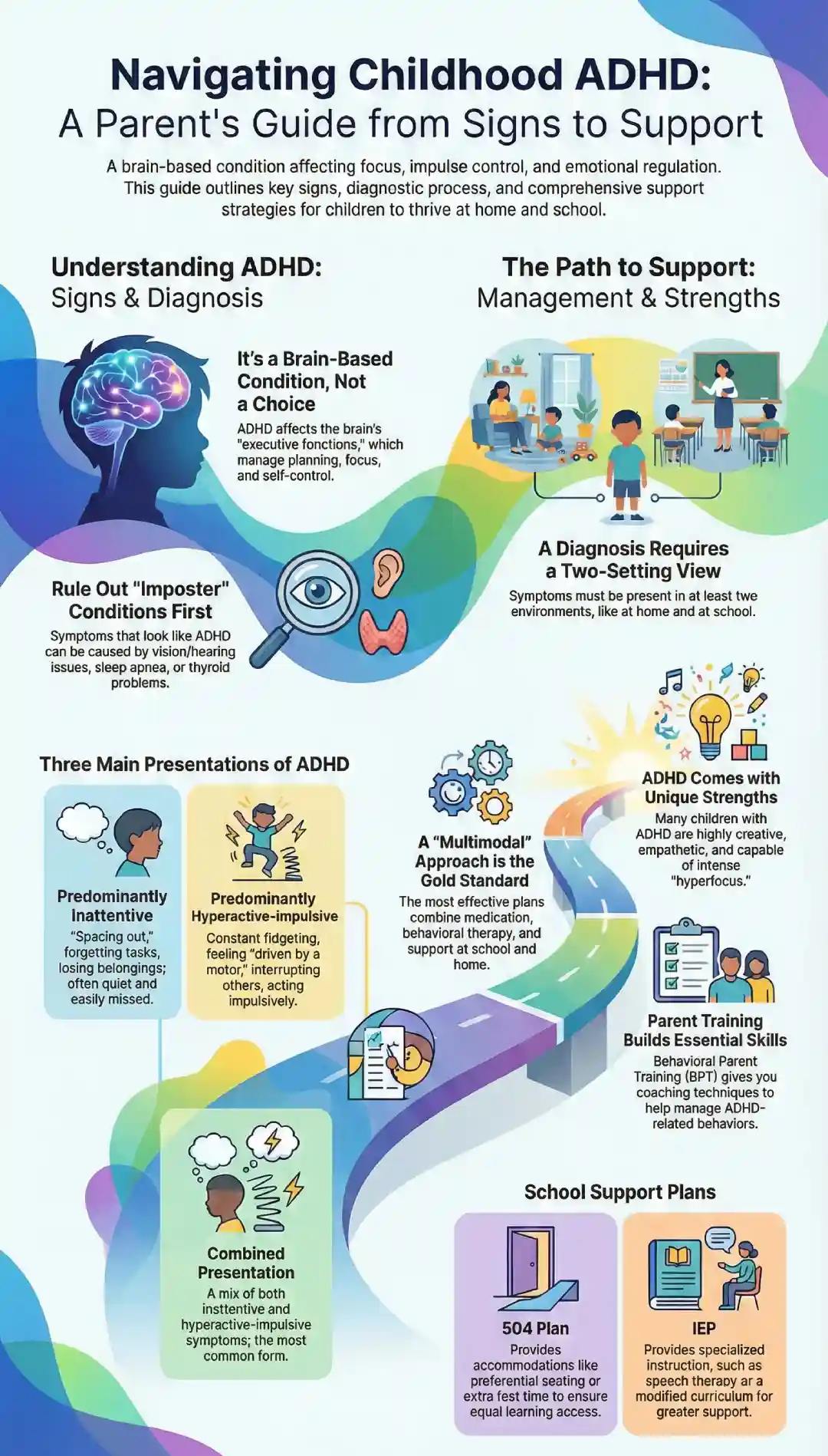
ADHD is more than just having too much energy; it is a neurodevelopmental journey that affects the brain’s “executive functions.” These functions act like the air traffic control system of the brain, managing how we plan, focus, and filter out distractions. For a child with ADHD, this system is wired differently, often due to how the brain uses certain chemicals like dopamine. In Spokane, we see children who are incredibly creative and bright but struggle to fit into the standard classroom structure. Recognizing that ADHD is a physical condition, not a choice or a result of bad parenting, is the first step in getting your child the pediatric support they need. It is about understanding that their brain is working overtime just to keep up with daily tasks. Recognizing that ADHD is a biological condition is the first step; the next is accessing pediatric behavioral health services to help your child develop the executive function skills they need.
Recognizing the Signs: The Three Faces of ADHD
ADHD looks different in every child. At Mt. Spokane Pediatrics, we help families identify which specific face of ADHD their child shows. This helps us create a better plan for school and home life.
Predominantly Inattentive
This type is often quiet and easy to miss. These children don’t usually disrupt the class, but they struggle to stay focused. You might notice they “space out,” forget their homework, or lose their belongings constantly. They aren’t being lazy; their brain simply has a hard time filtering out distractions.
Predominantly Hyperactive-Impulsive
These children feel like they are driven by a motor. They have a hard time sitting still and may fidget or squirm constantly. Impulsivity means they might blurt out answers or interrupt others because they find it difficult to wait their turn. We focus on teaching them how to pause before acting.
Combined Presentation: The Most Common Form
Most children we see in Spokane have a mix of both types. They might be very active and talkative while also struggling to stay organized. This “Combined Presentation” is the most frequent diagnosis in our clinic, and it requires a balanced approach to manage both energy levels and focus.
The Gender Gap: ADHD in Girls vs. Boys
ADHD is often missed in girls because they tend to “mask” their symptoms. While boys are often physically active (externalized), girls may experience internal restlessness or anxiety. A girl might be very social and talkative but feel completely overwhelmed inside. We make sure to look for these subtle signs so every child gets the help they need.
The “Imposter” Symptoms: What Else Could It Be?
We don’t rush to a diagnosis. Many medical issues look exactly like ADHD but require very different treatments. We call these “imposters” because they mimic the behavior of a child who can’t focus or sit still.
Medical Gaps: Conditions That Mimic ADHD
Sometimes, what looks like a lack of focus is actually a physical barrier. If a child has a vision or hearing issue, they might “tune out” in class because they simply can’t see the board or hear the teacher clearly. Sleep Apnea is another big imposter; a child who isn’t sleeping well at night will be irritable and unfocused the next day. We also check for thyroid imbalances or iron deficiencies, as these can cause low energy and poor concentration that look like the inattentive type of ADHD.
Co-occurring Conditions: The “ADHD Plus” Reality
It is very common for ADHD to travel with a “partner.” We call this the “ADHD Plus” reality. For many Spokane families, a child might have ADHD along with Anxiety, which makes them even more restless. Others may struggle with Learning Disabilities like Dyslexia, where the frustration of not being able to read leads to “acting out” in class. We also look for signs of Oppositional Defiant Disorder (ODD), where the child’s impulsivity turns into a pattern of arguing or defying rules.
Pediatric Advantage: Ruling Out Physical Causes First
This is where having a board-certified pediatrician makes all the difference. A specialist in adult medicine or a general counselor might only see the behavior, but we see the whole body. We perform a physical exam and review the child’s medical history to rule out physical causes before making a mental health diagnosis. This ensures your child isn’t put on ADHD medication if the real problem is actually a sleep disorder or a need for glasses.
The Evaluation Process: What to Expect in Spokane
Starting an evaluation can feel like a big step, but we make it a clear and collaborative process. We use standardized tools called Vanderbilt Assessment Scales, which are forms that both parents and teachers fill out. This is important because, for a diagnosis to be made, symptoms must show up in at least two different places, like both at home and in a Spokane Public Schools classroom.
 We look at your child’s medical history from birth, their behavior over the last six months, and how these symptoms are affecting their friendships and schoolwork. This thorough approach ensures that the diagnosis is accurate and that we have a solid baseline to measure your child’s progress once we start a management plan. To begin the diagnostic journey, we recommend scheduling an acute care consultation where our providers can initiate the Vanderbilt assessment process and review your child’s history.
| ADHD Sign Category | Specific Examples to Watch For |
| Inattention | Losing toys, failing to finish chores, avoiding tasks that require mental effort. |
| Hyperactivity | Fidgeting with hands or feet, running or climbing in inappropriate places. |
| Impulsivity | Blunting out answers before a question is finished, interrupting others’ games. |
| Executive Function | Difficulty starting tasks, poor time management, losing track of belongings. |
Management & Treatment
The gold standard for helping a child with ADHD is a “multimodal” approach. This means we don’t just pick one tool; we use a combination of strategies that work together to support the whole child. For most children in Spokane, this involves a mix of medication, behavioral therapy, and environmental changes at home and school. Research shows that while medication is excellent for reducing the core symptoms like distractibility, therapy is what teaches a child the life skills they need, such as how to organize their backpack or manage their big emotions.
Medication Management: Understanding Your Options
When it comes to medication, many parents feel hesitant, but modern pediatric medicine offers more safe and effective options than ever before. We generally look at two categories: stimulants and non-stimulants. Stimulants are the most common and work by balancing chemicals in the brain that help with focus and impulse control. If those aren’t a good fit, non-stimulants offer a steady, 24-hour alternative that can be great for children who struggle with side effects like low appetite.
Our providers monitor these medications very closely with regular “medication checks” to track your child’s growth, heart rate, and mood. This ensures the dose is always “just right” as your child grows and their needs change.
Behavioral Parent Training (BPT) and Local Support
One of the most powerful tools in your kit is Behavioral Parent Training (BPT). This isn’t about teaching you how to be a parent; it’s about giving you specific “coaching” techniques to help an ADHD brain succeed. In Spokane, there are fantastic resources like “Year For Change” or local CHADD (Children and Adults with Attention-
Deficit/Hyperactivity Disorder) groups that offer these skills.
BPT teaches you how to use clear, immediate rewards and how to structure your home with routines that reduce daily power struggles. By changing the environment and how you respond to behaviors, you can actually help your child “borrow” your executive function skills until they are old enough to build their own.
School Support: IEPs, 504 Plans, and Advocacy
A child spends the majority of their day at school, so having the right support in the classroom is a game-changer. In the Spokane Public Schools or Central Valley districts, your child may be eligible for a 504 Plan or an IEP (Individualized Education Program). A 504 Plan provides “accommodations”, like sitting near the teacher or having extra time on tests, to help your child access the same learning as everyone else. An IEP is for children who need more specialized instruction. Your pediatrician can provide the medical documentation and expert letters needed to help you advocate for these services, ensuring your child’s teachers understand that their struggles are due to brain wiring, not a lack of effort. For more accurate, science-backed information on ADHD, check out the National Institute of Mental Health
| Support Type | Purpose | Common Examples |
| 504 Plan | Environmental Accommodations | Preferential seating, frequent breaks, fidget tools. |
| IEP | Specialized Instruction | Speech therapy, modified curriculum, 1-on-1 support. |
| Classroom Strategies | Immediate Feedback | Visual schedules, color-coded folders, “I need help” cards. |
Parental Wellness: Managing Caregiver Burnout
Raising a child with ADHD requires a high level of patience and energy, and it is common for parents to feel overwhelmed or “burnt out.” In Spokane, we encourage parents to remember that they cannot pour from an empty cup. Caregiver burnout can manifest as constant exhaustion, irritability, or feeling hopeless about your child’s progress. At Mt. Spokane Pediatrics, we view the parents’ well-being as a vital part of the child’s treatment plan. Seeking out local support groups or individual therapy can provide a safe space to share the unique challenges of parenting a neurodivergent child. By prioritizing your own mental health, you are better equipped to remain the calm, consistent presence your child needs to succeed.
Frequently Asked Questions
Can a child outgrow ADHD?
Research as of 2026 shows that while about 10% of children may fully outgrow their symptoms, the vast majority, around 90%, will continue to experience some level of ADHD into adulthood. However, the symptoms often change; hyperactivity might decrease, while struggles with organization or “inner restlessness” remain. The goal of early pediatric support is to teach your child the strategies they need to manage these traits so they don’t interfere with their adult life.
Does sugar cause ADHD?
This is one of the most common myths we hear in our Spokane clinics. Scientific studies have consistently debunked the idea that sugar causes ADHD. While a “sugar rush” can lead to a temporary burst of energy in any child, it does not cause the underlying brain wiring differences seen in ADHD. However, a balanced diet is still important for brain health and stable energy levels throughout the school day.
What are the positive traits of ADHD?
It is important to remember that ADHD brings many strengths. Children with ADHD are often remarkably creative, spontaneous, and capable of “hyperfocus” when they are interested in a topic. They often have high levels of empathy and a unique way of problem-solving that leads to innovative ideas. By focusing on these strengths, we can help build your child’s self-esteem and help them find hobbies or career paths where their “ADHD brain” is actually a competitive advantage.
How do I start an ADHD evaluation in Spokane?
The first step is to schedule an “acute” or behavioral health consultation with your regular provider at Mt. Spokane Pediatrics. We will discuss your concerns, provide you with the necessary Vanderbilt screening forms for home and school, and schedule a follow-up to review the results. From there, we can coordinate with local specialists or school districts to ensure a complete and accurate picture of your child’s needs.
Conclusion: Flourishing with the Right Support
ADHD is not a deficit of will or a sign that a child is “bad”; it is simply a difference in how their brain is wired to process information and manage impulses. While the journey can have its share of difficult days, having a dedicated medical home makes all the difference. At Mt. Spokane Pediatrics, we are committed to providing the expert, compassionate care your family needs to turn ADHD challenges into lifelong strengths. Whether it’s through medication management, school advocacy, or just being a listening ear, our team is here to support every child in Spokane in reaching their full potential. With the right tools and a supportive community, your child won’t just get by, they will flourish.