
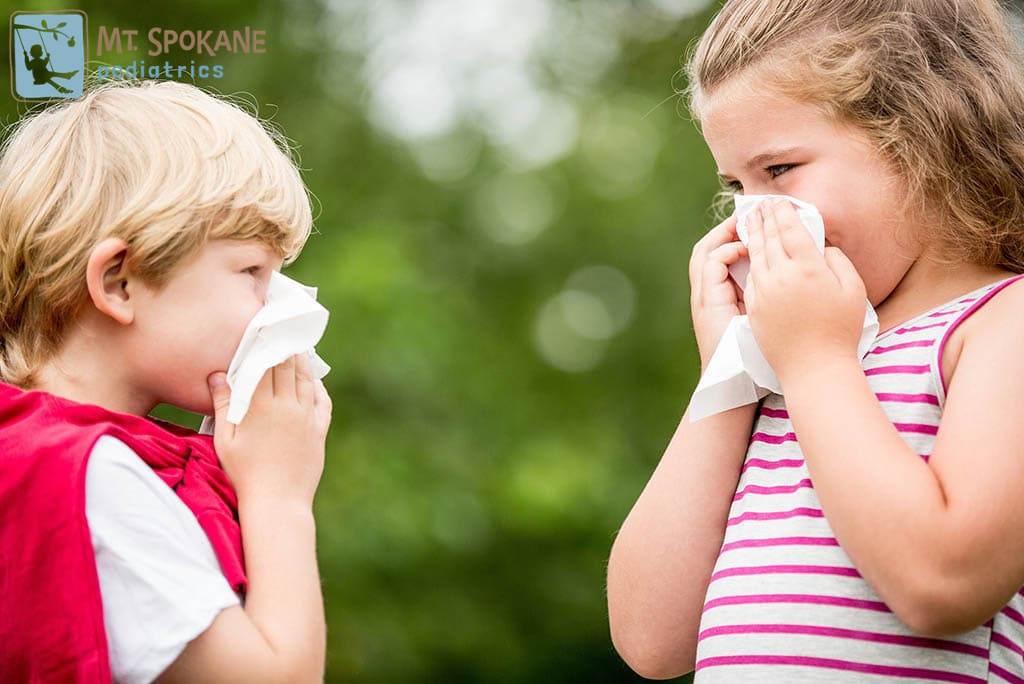
When Spokane’s allergy season hits, it can feel like your child has a never-ending cold. Yet in many kids, those “colds” are actually seasonal allergies.
Seasonal allergies, also called allergic rhinitis or hay fever, happen when your child’s immune system reacts to things like pollen in the air. Typical symptoms include sneezing, a clear runny nose, nasal congestion, itchy or watery eyes, throat itching, and a lingering cough from postnasal drip. These symptoms often show up suddenly and stick around as long as your child is around the trigger, instead of getting better in a week like most viral colds.
In Spokane, four distinct seasons mean your child’s allergy symptoms may come in waves. Spring tree pollens, summer grass pollens, and fall weeds and molds can all cause flares. Because Eastern Washington is dry and breezy, pollen can travel easily, so some kids feel “sick” for weeks when counts stay high. While seasonal allergies are rarely dangerous on their own, they can still affect your child’s sleep, school focus, sports performance, and mood. Poor sleep from congestion and itchy eyes can lead to daytime fatigue, irritability, and trouble paying attention in class.
That is where Mt. Spokane Pediatrics comes in for local families. As a dedicated pediatric practice serving Spokane from birth through young adulthood, Mt. Spokane Pediatrics provides full pediatric care, including asthma and allergy support. Our team focuses on prevention, early identification, and timely treatment, so allergy concerns can be addressed before they disrupt daily life. Whether your child has mild spring sniffles or more complex symptoms tied to asthma, your Mt. Spokane Pediatrics provider can help you build a practical, family-friendly plan.
With two convenient locations—North Spokane and Spokane Valley—Mt. Spokane Pediatrics makes it easier to get care close to home, school, and activities. Families can schedule routine well-child visits, same-day acute appointments for flare-ups, and follow-up visits to fine-tune allergy and asthma management as seasons change. If you notice that your child always starts sneezing, rubbing their eyes, or coughing when Spokane’s pollen counts climb, this is a great topic to bring up at their next visit.
Seasonal Allergies 101: Is It Allergies or Just a Cold?
Common signs of seasonal allergies in kids
Seasonal allergies in kids are caused by the immune system reacting to allergens like pollen, mold, dust mites, or pet dander. Hallmark symptoms include frequent sneezing, a clear runny nose, nasal congestion, itchy or watery eyes, an itchy throat or ears, and a lingering cough from postnasal drip. Some children also develop “allergic shiners,” which look like dark circles under the eyes, along with daytime tiredness from poor sleep and constant congestion.
These symptoms tend to follow a pattern across the year rather than showing up randomly. In Spokane and across Washington, spring often brings tree pollens, summer brings grass pollens, and late summer into fall brings weeds and outdoor molds. Because pollen seasons can stretch for weeks, kids may feel congested or sneezy for a long time if their allergies are not well controlled.
How to tell seasonal allergies from a cold
Parents often ask, “How do I know if my child has seasonal allergies or a cold?” and “Do seasonal allergies cause fever?” Colds are caused by viruses, usually last 7–10 days, and can bring thicker mucus, body aches, sore throat, and sometimes a low-grade fever. Allergy symptoms, on the other hand, often appear when your child is exposed to a trigger, are more likely to include itchiness (especially itchy eyes), and may last as long as exposure continues.
Fever is a big clue. Seasonal allergies do not cause fever; if your child has a temperature, even a mild one, it is more likely a cold or another infection. Kids with allergies usually feel uncomfortable and tired but can often keep up with school and activities, while a viral illness may make them feel achy and wiped out. If your child’s “cold” returns at the same time every year, especially in Spokane’s high-pollen months, it is reasonable to wonder about allergies instead.
If you are unsure whether your child’s symptoms are from allergies, a virus, or both, Mt. Spokane Pediatrics is ready to help. At either the North Spokane or Spokane Valley location, your child’s pediatrician can review symptoms, timing, and exam findings to pinpoint the most likely cause. This partnership approach helps Spokane families avoid guesswork and choose the right treatments for their child.
What triggers seasonal allergies in Spokane kids?
For many Spokane-area kids, tree and grass pollens are major seasonal triggers. In this region, common spring triggers include willow and mulberry trees; summer often brings ryegrass, Bermuda, orchard, timothy, and fescue grasses. Late summer and fall can introduce weeds such as ragweed, wormwood, and pigweed, along with outdoor molds that grow on fallen leaves and damp soil. Indoor triggers—like dust mites, pet dander, and indoor molds—can overlap with seasonal outdoor allergies, causing year-round stuffiness in some children.
Spokane’s outdoor lifestyle is part of what families love—parks, sports fields, hiking, and camping are all big parts of growing up here. These activities can increase pollen exposure, especially on windy days or when pollen counts are high, but they do not mean kids must stay inside all season. With guidance from Mt. Spokane Pediatrics, parents can learn how to time outdoor play, manage clothing and showers, and use medications or other strategies so kids can keep enjoying Spokane’s fresh air.
When to Call Your Child’s Pediatrician vs. a Spokane Allergy & Asthma Specialist
When to start with Mt. Spokane Pediatrics
Your child’s pediatrician is usually the best first stop for suspected seasonal allergies. Parents should schedule a visit with Mt. Spokane Pediatrics if symptoms like congestion, clear runny nose, itchy or watery eyes, and sneezing last more than two weeks, especially if they follow a seasonal pattern. It is also a good idea to book an appointment if your child has a nightly or seasonal cough, trouble sleeping from congestion, or allergy symptoms that affect school performance, sports, or mood.
During an allergy-focused visit, Mt. Spokane Pediatrics evaluates your child’s symptoms, examines the nose, throat, lungs, and eyes, and reviews family history of allergies or asthma. Providers also look for signs of asthma—such as wheezing, chest tightness, or shortness of breath with activity—because allergies and asthma often go together. From there, your child’s pediatrician can recommend home strategies and medicines tailored to your child’s age, weight, and lifestyle, keeping Spokane’s climate and pollen seasons in mind.
When your pediatrician may recommend a Spokane allergy and asthma clinic
Some Spokane parents ask, “When should my child see an allergist for seasonal allergies?” and “What does a Spokane allergy & asthma clinic do?” Your Mt. Spokane Pediatrics provider may suggest a referral if your child has severe or year-round symptoms, suspected asthma, repeated sinus or ear infections, or poor response to standard allergy medicines. A referral is also common when there is a need for allergy testing, more advanced treatment options, or consideration of allergy shots (immunotherapy).
Spokane Allergy & Asthma Clinic and other Spokane asthma and allergy clinics specialize in diagnosing and treating complex allergic conditions, including environmental allergies, asthma, and related issues. These clinics can perform detailed allergy testing, design immunotherapy plans, and manage complicated cases that go beyond routine pediatric care. Even when your child sees an allergy specialist, Mt. Spokane Pediatrics remains the central medical home, coordinating care and continuing regular wellness and sick visits.
How Mt. Spokane Pediatrics collaborates with local allergy clinics
If your child needs a Spokane allergy and asthma specialist, Mt. Spokane Pediatrics can help coordinate every step. The pediatric team can share visit notes, test results, and medication lists with the allergy clinic so your child does not have to start from scratch. This coordination helps keep treatment plans clear and consistent, especially when children have both allergies and asthma or other chronic conditions.
For many Spokane kids, allergy care can be fully managed within Mt. Spokane Pediatrics using a mix of environmental strategies, over-the-counter or prescription medicines, and regular follow-up. Referrals to Spokane Allergy & Asthma Clinic or other Spokane asthma and allergy clinics are reserved for more complex or persistent cases, so families receive the right level of care without unnecessary extra steps. Whether your child’s needs are simple or more specialized, Mt. Spokane Pediatrics stays involved as your long-term pediatric partner.
Everyday Relief at Home: Reducing Pollen and Triggers in Spokane
Smart daily habits during Spokane allergy season
Many parents ask, “How can I reduce my child’s seasonal allergy symptoms naturally?” and “What are home remedies for children’s allergies?” Simple, consistent habits often help the most. Checking Spokane pollen counts each day, then limiting outdoor time during high-pollen hours (especially early morning and windy days), can reduce how much pollen your child breathes in. Keeping windows closed at home and in the car, and using air conditioning on recirculate mode, helps keep outdoor pollen from blowing inside.
After outdoor play, have your child shower or bathe and change into clean clothes to rinse pollen off their skin and hair. This simple step prevents allergens from spreading onto bedding, furniture, and car seats. Some children also feel better with saline nasal rinses or sprays, which can gently wash pollen out of the nose; your Mt. Spokane Pediatrics provider can advise what is appropriate for your child’s age. These natural strategies pair well with the medical plan you create together at Mt. Spokane Pediatrics.
Creating a low-allergen bedroom for better sleep
Because kids spend many hours in their bedrooms, making that space as low-allergen as possible can improve sleep and daytime energy. Using a HEPA air purifier in your child’s room helps filter pollen, dust, and other particles from the air; be sure to change filters as recommended. Vacuuming carpets and soft surfaces with a HEPA-filter vacuum, plus dusting with a damp cloth, helps remove allergens rather than just moving them around.
Washing bedding frequently in hot water and using dust-mite-proof covers on pillows and mattresses can reduce dust mite and pollen build-up. During peak Spokane pollen months, keeping bedroom windows closed at night is especially helpful, even when the weather feels cool and fresh. If you are not sure which changes matter most for your child, your Mt. Spokane Pediatrics provider can help you prioritize the easiest, highest-impact bedroom tweaks first.
Lifestyle and nutrition choices that may support allergy management
Healthy lifestyle habits support your child’s overall immune function and resilience during allergy season. Staying well hydrated thins mucus and helps the body flush allergens more effectively. A balanced diet rich in fruits, vegetables, whole grains, and healthy fats (including omega‑3s from foods like salmon, flax, or walnuts) can support overall health and may reduce inflammation. Regular physical activity, good sleep routines, and stress management also help kids cope better when symptoms flare.
Some Spokane families are curious about local honey or other “natural” supplements for allergy relief. For children older than 1, local honey is sometimes used for mild symptom support, but research is mixed and it should never replace proven allergy treatments. Before starting local honey, herbal remedies, essential oils, or over-the-counter supplements, parents should talk with their Mt. Spokane Pediatrics provider to make sure they are safe and appropriate for their child. This keeps your child’s allergy plan coordinated and reduces the risk of interactions or side effects.
Spokane-specific tips for outdoor play and school days
In Spokane, kids are outside a lot for recess, sports, and family adventures, even when pollen counts are up. Planning outdoor play for times when pollen levels are lower—often later in the day or after rain—can lessen symptom flares. After recess, wiping your child’s face and hands with a damp cloth can remove pollen from the skin and around the eyes. For school-age kids, it helps to send tissues, prescribed allergy-safe eye drops, and any approved nasal sprays or oral medicines in their backpack, following school policies.
An allergy action plan is a written guide that explains what symptoms to watch for, which medicines to use, and when to get help. Sharing your child’s allergy and asthma plan with school nurses, teachers, and coaches means adults at school and on the field know how to respond quickly if symptoms worsen. Mt. Spokane Pediatrics can help you create or update this plan so it matches your child’s current needs and fits Spokane’s seasonal patterns.
Safe Allergy Medicines for Kids: What Parents Should Know
Over-the-counter options: What parents ask most
Parents often ask, “What can I give my child for seasonal allergies?” “Are antihistamines safe for kids?” and “When should children start allergy medicine?” While there is no cure for allergies, several medicines can significantly reduce symptoms when used correctly. Oral antihistamines help with itching, sneezing, and clear runny nose; long-acting options are often preferred because they need fewer doses per day and may cause less drowsiness. Nasal steroid sprays decrease inflammation inside the nose and can be very effective for congestion and postnasal drip when used as directed.
Saline nasal sprays or rinses can be used alongside other therapies to flush out allergens. Allergy eye drops are sometimes recommended for kids with significant itchy, watery eyes, especially during high-pollen days. Some children benefit from starting medicines just before allergy season begins, while others use them only during active flares; this timing should be guided by a healthcare provider who understands your child’s pattern. Mt. Spokane Pediatrics can help you choose and time medicines so they fit your child’s daily routine and Spokane’s seasonal changes.
Why you should check with Mt. Spokane Pediatrics before starting medicine
Allergy medications are not truly “one size fits all.” Dosing depends on your child’s age, weight, health history, and whether they take other medicines. Some products are not recommended for very young children, and combining multiple antihistamines or sprays without guidance can increase the risk of side effects. That is why it is important to call or schedule with Mt. Spokane Pediatrics before starting, changing, or layering allergy medicines on your own.
Certain medicines can cause sleepiness, irritability, or stomach upset, and timing doses (for example, giving a sedating medicine in the evening) can make a big difference in how your child feels. Your child’s Mt. Spokane Pediatrics provider can review options, suggest the safest products for their age, and show you how to use sprays or inhalers correctly. This guidance helps Spokane parents feel confident that they are managing allergy symptoms safely and effectively.
When allergy shots or specialty treatments are considered
For older kids with persistent, severe allergies that do not respond well to standard medicines and home changes, immunotherapy (allergy shots) may be an option. Allergy shots gradually expose the immune system to small amounts of the trigger to reduce sensitivity over time. These treatments are usually prescribed and monitored by an allergist at a Spokane allergy and asthma clinic, because they require regular visits and careful observation.
Mt. Spokane Pediatrics can help you decide if it is time to consider allergy shots or other specialty treatments. Your pediatrician can look at your child’s history, response to medicines, and impact on daily life, then recommend whether a referral to a Spokane asthma and allergy clinic makes sense. Even if you choose immunotherapy, Mt. Spokane Pediatrics stays involved as your child’s central pediatric home.
Allergies and Asthma: Helping Spokane Kids Breathe Easier
How seasonal allergies and asthma are connected
Allergies and asthma are different conditions, but they are closely linked in many children. Allergens such as pollen, dust mites, mold, and pet dander can trigger both nasal allergy symptoms and asthma flare-ups. When a child with asthma breathes in these triggers, the airways in the lungs can swell and tighten, making it harder to move air in and out.
Common signs of asthma include coughing (especially at night or with exercise), wheezing, chest tightness, and shortness of breath during activity. Some kids are diagnosed with asthma after repeated “bad allergy seasons” where coughing and breathing symptoms keep coming back. If you notice this pattern, it is important to talk with Mt. Spokane Pediatrics so your child can be evaluated and treated early.
Mt. Spokane Pediatrics’ approach to asthma and allergy care
Mt. Spokane Pediatrics provides asthma and allergy care as part of comprehensive pediatric services for Spokane families. During visits, the team evaluates triggers, reviews past flare-ups, listens to the lungs, and discusses how allergies, exercise, illness, and smoke exposure affect your child’s breathing. From there, they create a tailored plan that might include rescue inhalers, daily controller medicines, and specific allergy strategies for home and school.
An asthma action plan is a written guide that explains what to do on good days, mild symptom days, and in emergencies. Mt. Spokane Pediatrics can help you build or update this plan, then adjust inhaler use during high-pollen days or respiratory virus season. When needed, the team can also coordinate with local Spokane asthma and allergy clinics to ensure your child’s care is seamless and well organized.
When allergy flare-ups become breathing emergencies
Parents often wonder, “When should I go to urgent care or the ER for my child’s allergies or asthma?” Some breathing symptoms require immediate medical attention. Red flags include trouble speaking in full sentences, visible pulling in of the skin between the ribs or at the neck (retractions), bluish lips or fingernails, very fast or labored breathing, or no relief after using a rescue inhaler. In these situations, families should call 911 or go straight to the closest emergency room rather than waiting for a clinic visit.
Helping Different Ages Handle Spokane Allergy Season
Babies and toddlers: What parents should watch for
In very young children, seasonal allergy symptoms can look a lot like frequent colds. Babies and toddlers may have a clear runny nose, sneezing, rubbing at their eyes or nose, and mild congestion that seems to linger. Because children under 1 need repeated exposures to allergens before typical seasonal allergies develop, it is more common to see clear allergy patterns in toddlers and preschoolers than in infants. Parents often notice that symptoms last longer than two weeks or keep returning at the same times of year, which suggests allergies rather than repeated back‑to‑back colds.
Teens: Supporting independence and adherence
Teens with allergies and asthma need support plus growing independence. Teaching them to recognize early symptoms—like an itchy throat, stuffy nose, or mild chest tightness—helps them act before a full flare-up hits. They should know how and when to use prescribed inhalers, nasal sprays, or allergy tablets, and why skipping doses during peak Spokane pollen season can backfire.
Families can also coach teens on avoiding known triggers, such as outdoor workouts when pollen counts are highest or exposure to smoke that can worsen asthma. Involving teens directly in visits to Mt. Spokane Pediatrics—letting them ask questions, review their action plan, and practice describing symptoms—builds confidence and lifelong health skills. Over time, this shared approach helps teens own their asthma and allergy care instead of feeling controlled by it.
How Mt. Spokane Pediatrics Supports Spokane Families During Allergy Season
What to expect at an allergy-focused visit
At an allergy-focused visit, your child’s Mt. Spokane Pediatrics provider starts by taking a detailed medical history and asking about symptom patterns, seasons, and triggers. They perform a physical exam, paying close attention to the nose, throat, eyes, lungs, and skin, and they review any past treatments that did or did not work. Together, you and your provider then build a step‑by‑step plan for home, school, and sports, tailored to Spokane’s pollen patterns and your family’s routine.
This visit may include adjusting over-the-counter medicines, recommending or prescribing nasal sprays or inhalers, and deciding whether simple home measures are enough or if a referral to a Spokane allergy and asthma clinic is needed. Your provider will also explain how to use each medicine correctly and how to monitor for side effects or worsening symptoms.
10.3 Local, family-centered care in North Spokane and Spokane Valley
Mt. Spokane Pediatrics offers convenient locations in North Spokane and Spokane Valley, making it easier for busy families to get care close to home, school, and work. The practice emphasizes a warm, family-centered office culture where parents can ask questions and kids feel comfortable returning over time. Having one pediatric team that understands your child’s full picture—including allergies, asthma, mental health, and school challenges—helps keep care coordinated and personal.
Throughout your child’s journey, you can ask specifically for asthma and allergy care at Mt. Spokane Pediatrics or schedule a pediatric seasonal allergy visit in Spokane to focus on symptoms. Families looking for Mt. Spokane Pediatrics North Spokane and Spokane Valley allergy care can rely on the same trusted practice for wellness, urgent concerns, and specialist coordination.
Strong Spokane-Local CTA and Next Steps
Encouraging parents to take action before the next allergy season hits
The best time to adjust your child’s allergy plan is before the next big pollen wave arrives. Spokane parents can schedule a visit with Mt. Spokane Pediatrics now to review symptoms from the last season, update action plans, and get ahead of spring, summer, or fall triggers. You can call the clinic directly, use online appointment request options, or bring up allergy questions at your child’s next well-child visit.
During that visit, your provider can fine‑tune home strategies, medicines, and any asthma management steps so your child is ready for outdoor fun, school, and sports. Acting early helps reduce missed school days and last-minute urgent visits when pollen counts spike.
Reassurance and closing message
Seasonal allergies are common in Spokane kids, and many families feel overwhelmed at first—but you do not have to figure it out alone. With the right mix of everyday home changes, safe medications, and clear action plans, most children can manage allergies and stay active.
Mt. Spokane Pediatrics is here as your local partner in keeping kids breathing easier and enjoying all four Spokane seasons—from the first spring pollen to late‑fall leaf piles. Whether you need simple guidance or help coordinating care with a Spokane allergy and asthma clinic, Mt. Spokane Pediatrics is ready to support your family every step of the way